
BJP Leads, Alliances Decide Who Wins BMC
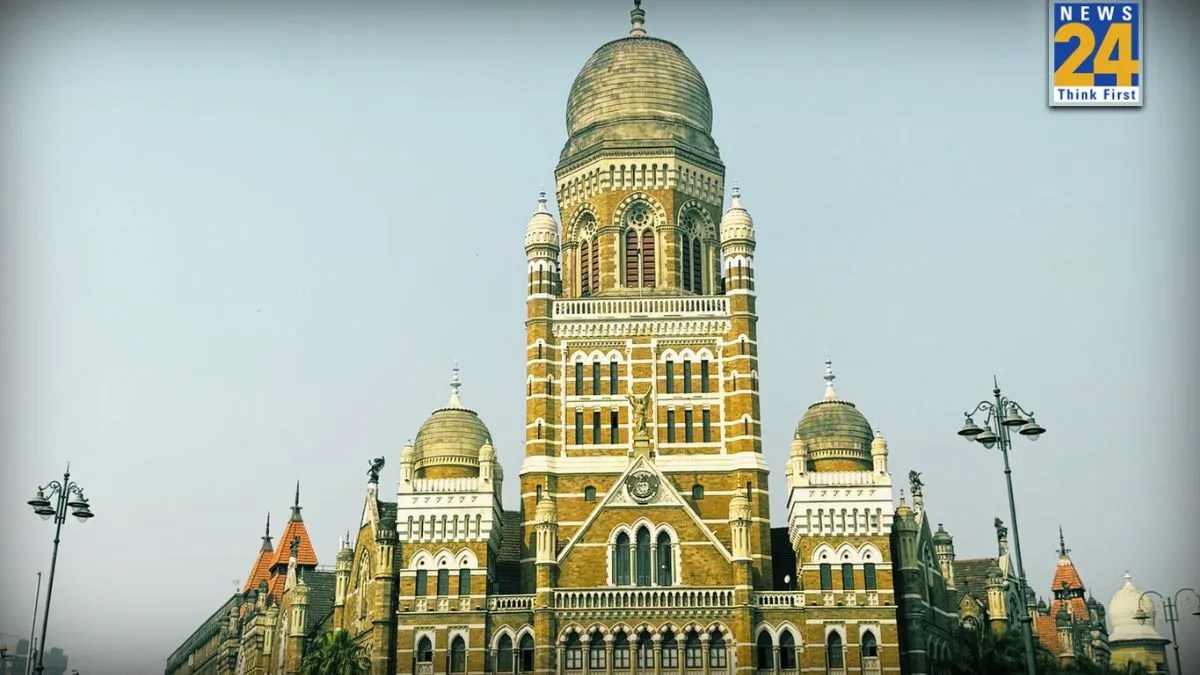
Mumbai is gearing up to elect its next Mayor in the final week of January 2026, with reports suggesting that the decisive vote will take place on January 28. The election, is already shaping up as one of the city’s most closely watched political events.
Unlike general elections, Mumbai’s mayoral race unfolds behind closed doors, inside the BMC House, making party strength and alliances the ultimate game-changers.
How Mumbai Chooses Its Mayor
Unlike many other Indian cities where citizens directly elect the Mayor, Mumbai follows an indirect electoral process. Here’s how it works:
Reservation Lottery: The Urban Development Department first conducts a lottery to determine the reservation category for the Mayor’s post. The position could be reserved for women, a specific caste category, or remain open to all.
Nomination Filing: Only after the reservation is announced can eligible corporators submit their nominations.
Voting at a Special BMC Meeting: All elected corporators cast their votes during a specially convened BMC session. The candidate receiving the highest number of votes is declared the Mayor, while the Deputy Mayor is chosen through the same procedure.
Although a simple majority usually decides the outcome, the law does not guarantee the Mayor’s post to the single largest party. In cases without a clear majority, alliances, negotiations, and strategic tie-ups become decisive.
What Makes the 2026 Election Different
This year’s election carries a unique twist. For the first time, 10 nominated corporators will participate in the House following a March 2023 amendment to the Mumbai Municipal Corporation Act. Previously, this number was limited to five.
The Bharatiya Janata Party (BJP), emerging as the single largest party, is expected to secure the majority of nominated seats, giving it a potentially decisive advantage. The remaining seats are likely to be allocated among alliance partners and opposition parties, making the arithmetic of victory more complex than ever.
Stakes for Mumbai’s Governance
While historical trends suggest that the party with the largest number of corporators often clinches the Mayor’s post, numbers alone may not be enough. In a politically fragmented BMC, alliances, post-poll negotiations, and shifting loyalties could redefine the expected outcome.
For Mumbai residents, the election is more than a political contest—it sets the tone for how the city’s civic administration will function in the coming term. The decisions made during this election could influence everything from infrastructure projects to public services, underlining why the race for the Mayor’s chair matters deeply to the city’s future.
Mumbai’s Mayor 2026: A Test of Strategy, Numbers, and Negotiation
As January 28 approaches, all eyes will be on the BMC House. Will the BJP leverage its advantage with nominated corporators, or will strategic alliances redefine the power dynamics? One thing is certain: in Mumbai politics, every vote and every negotiation counts.