
Chennai on high alert! What is H5N1 flu and how did hundreds of crows die?
[ad_1]
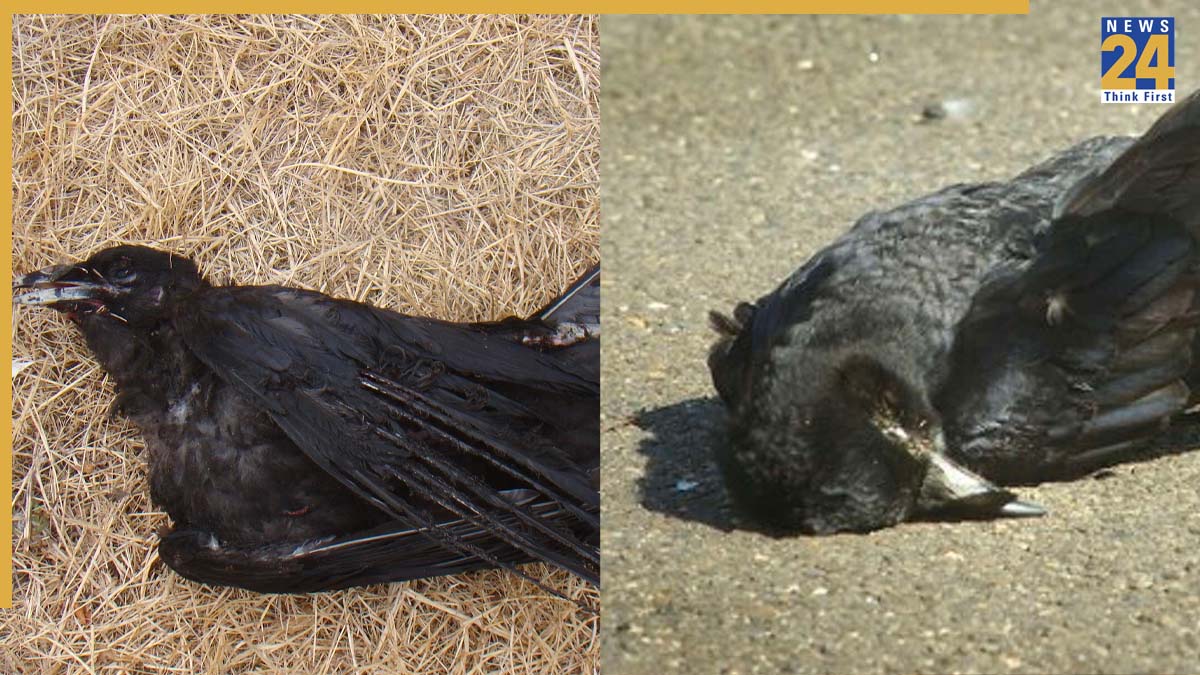
Laboratory tests of hundreds of dead crows found across Chennai last month confirmed the presence of the H5N1 virus on Friday. Health authorities issued a public advisory signaling the outbreak of avian influenza in the region. While efforts are underway to contain the flu and curb further transmission, the carcasses of crows and poultry are directed to be incinerated or deeply buried as per biosecurity protocols.
Public urged to avoid contact with dead birds
The general public has been strictly warned against touching or removing dead birds and has been advised to alert authorities. The Tamil Nadu Animal Husbandry Department’s Animal Disease Intelligence Unit collected samples from Chennai in late January and sent them to Bhopal’s ICAR-NIHAS laboratory. Tests confirmed that a highly pathogenic H5N1 strain, called zoonotic potential, was present in the dead birds. In the wake of the crow fatalities, the Union Ministry of Animal Husbandry has written to the Tamil Nadu Chief Secretary, seeking immediate field surveillance to prevent the H5N1 flu from spreading.
What is H5N1 Flu?
H5N1 is a highly pathogenic strain known as a zoonotic potential. This virus primarily infects birds, especially wild birds and poultry. The ‘bird flu’ can spread very quickly among the bird populations, cause illness, and result in fatalities. According to reports, H5N1 flu mostly affects birds but can occasionally or rarely affect people and other animals coming in close contact with infected birds.
Is H5N1 flu dangerous?
Yes, H5N1 flu is believed to be highly dangerous in specific conditions, spreading rapidly in birds and causing large outbreaks with very high mortality rates. Though Infections are rare in humans, when they do occur, they may have a severe impact.
Ministry warns handlers, advises to wear gloves
The Union ministry has sought reports on cases related to deaths, killings, and the disposal of birds. The Handlers are urged to avoid bare-handed contact with dead birds. They must wear gloves and wash their hands with soap and water repeatedly. Veterinary staff are restricted from performing field postmortems and sending carcasses of dead birds to designated laboratories.
ALSO READ: Around 50% of India’s audited planes show repeated snags; govt data reveals Air India, IndiGo…
[ad_2]