
Check Sehri, Iftar Timings in Mumbai, Delhi, Noida, Hyderabad, Lucknow, Bengaluru, Kerala, Other Cities
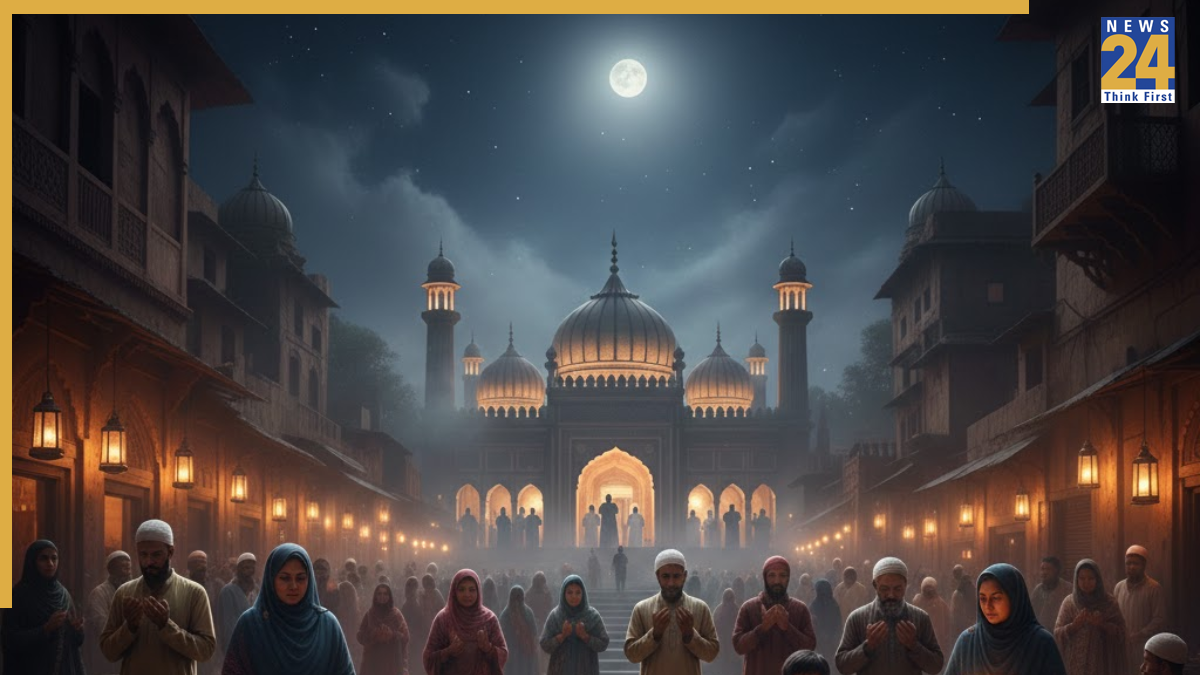
Shab-e-Barat is observed on the night of the 14th or 15th of Sha’ban according to the Islamic calendar. In India, based on the crescent moon sighting, it is expected to be observed on February 3, 2026. On this occasion, many Muslims observe Nafl Roza (voluntary fasting) as an act of devotion.
Fasting on Shab-e-Barat
- Holy Night: From the evening of Tuesday, February 3, until Fajr (sunrise) on Wednesday, February 4.
- Fast of the 15th Sha’ban: Most devotees will fast on Wednesday, February 4, 2026.
- Nafl Roza: Some people observe fasting for three consecutive days—February 2, 3, and 4—to increase spiritual rewards.
City-Wise Sehri and Iftar Timings
The timings below are based on local sunrise and sunset. A variation of 1–2 minutes may occur depending on the exact location.
Delhi
- Feb 2: Sehri 05:48, Iftar 18:01
- Feb 3: Sehri 05:47, Iftar 18:02
- Feb 4: Sehri 05:47, Iftar 18:03
Mumbai
- Feb 2: Sehri 05:57, Iftar 18:32
- Feb 3: Sehri 05:57, Iftar 18:33
- Feb 4: Sehri 05:56, Iftar 18:34
Lucknow
- Feb 2: Sehri 05:32, Iftar 17:50
- Feb 3: Sehri 05:31, Iftar 17:51
- Feb 4: Sehri 05:30, Iftar 17:52
Patna
- Feb 2: Sehri 05:21, Iftar 17:36
- Feb 3: Sehri 05:20, Iftar 17:37
- Feb 4: Sehri 05:19, Iftar 17:38
Hyderabad
- Feb 2: Sehri 05:38, Iftar 18:16
- Feb 3: Sehri 05:38, Iftar 18:17
- Feb 4: Sehri 05:37, Iftar 18:17
Significance of Shab-e-Barat
Shab-e-Barat is also called the Night of Forgiveness. It is believed that Allah opens the doors of mercy for those seeking forgiveness on this night. Many Muslims also believe that a person’s fate and sustenance for the coming year are decided during Shab-e-Barat.
Worship and Traditions
- Devotees stay awake at mosques and homes, offering special prayers (Nafl Namaaz), reciting the Quran, and making dua.
- Many visit graveyards to pray for the departed, a practice called Dua-e-Maghfirat.
- Acts of charity, such as distributing food, sweets, and halwa, are commonly observed.