
Rs 45000000000 loss! Inside story behind Pakistan drama to boycott T20 World Cup 2026 match vs India
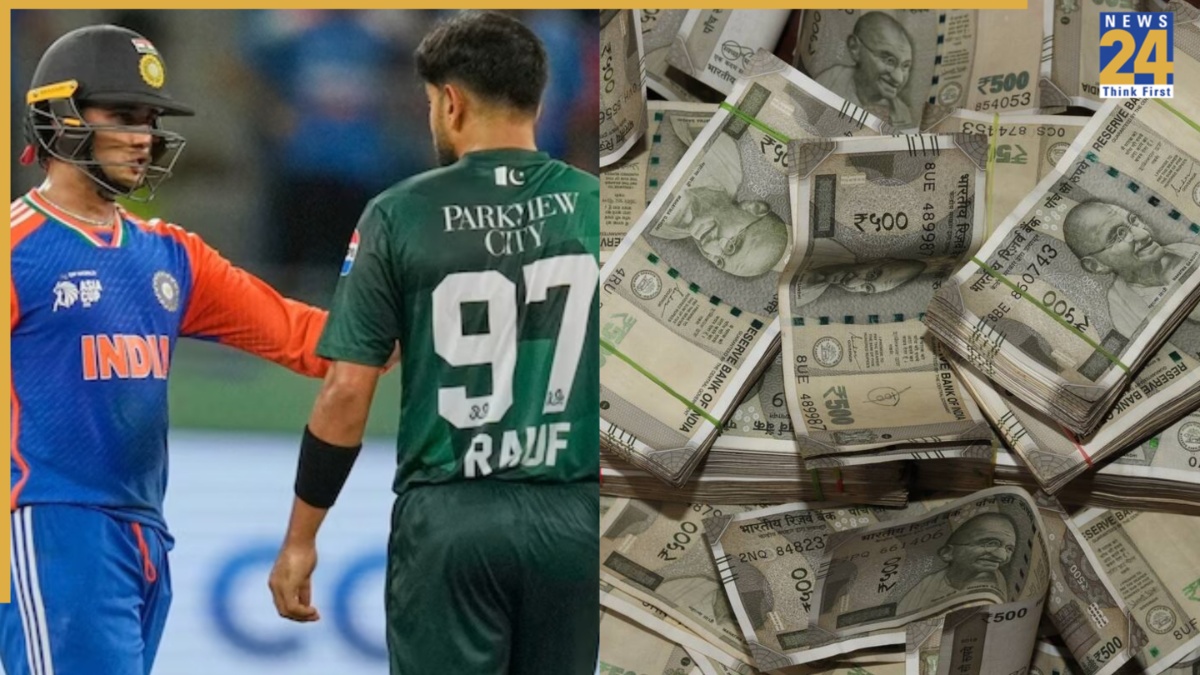
Pakistan’s strategy is quite obvious. They are well aware that the massive fan base in both countries ensures that any India-Pakistan match is a huge financial driver. By refusing to play, they intend to cause direct financial damage to the ICC, broadcasters, and other stakeholders, even if it means Pakistan suffers a loss too. Some former Pakistani cricketers have even suggested that they are willing to accept their own losses as long as it hurts the interests of India and the ICC.
An assessment of the impact if the India vs. Pakistan T20 match is cancelled shows that the total commercial value at stake is 500 million dollars (approx. Rs 4,500 crore). Broadcasters alone could lose about Rs 300 crore in advertising revenue, noting that a typical high-profile match is valued at Rs 138.7 crore. Additionally, both the Indian and Pakistani cricket boards face an immediate financial hit of Rs 200 crore each.
For broadcasters, this match is the most valuable asset. Advertising rates for an India-Pakistan T20 usually range from Rs 25 lakh to Rs 40 lakh for just 10 seconds, which is much higher than the rates for India’s knockout games against other top teams. If this match is cancelled, the entire financial structure of the tournament would be disrupted.
Who Will Face Losses And How Much?
Broadcasters
The first hit is felt by the rights holders. Just from the India-Pakistan match alone, advertising revenue is estimated around ₹300 crore. Broadcasters pay for certainty. When a big game disappears, it’s not just a scheduling problem — it’s a loss of value. JioStar had already formally asked ICC for relief due to financial risk, which strengthens their case.
The internal value of each World Cup match is roughly Rs 138.7 crore.
Impact on All Stakeholders
Once broadcasters reclaim their money, the ICC bears the loss, which then affects the whole system. Less central revenue means member boards get smaller distributions — not just India and Pakistan, but also associate members and smaller full members who rely heavily on ICC payments. They will feel the impact immediately.
India and Pakistan
Reports suggest that if the match doesn’t happen, both boards could face direct and indirect losses of about Rs 200 crore each. For India, this is painful but manageable.
For Pakistan, it’s a bigger issue. The PCB receives around 5.75% of total ICC revenue, roughly USD 34.51 million per year. This depends on compliance, reliability, and participation. Choosing to withdraw deliberately is not covered under force majeure.
This means:
- Full risk of losses, penalties, and compensation claims
- No insurance protection
- No legal protection
The Pakistan squad is scheduled to fly to Colombo today. Following the government’s directive, the team intends to participate in the tournament but skip the high-stakes match against India. While the ICC is reportedly holding meetings and behind-the-scenes discussions are likely ongoing, the governing body is expected to reject this “selective participation.” Anticipating this friction, it is widely believed that the ICC has already prepared a backup strategy to handle the situation.
If the World Cup proceeds without this marquee match, Pakistan will not only forfeit two points but also suffer a significant hit to their Net Run Rate (NRR).
Beyond the game, violating the ICC Member Participation Agreement could lead to frozen tournament payouts, heavy fines, and massive lawsuits from broadcasters. These combined financial penalties could far exceed the initial revenue losses, potentially costing several million dollars. Ultimately, India vs. Pakistan is no longer just a rivalry. It is the financial engine that powers the entire global cricket economy.