
Pakistan players to wear ‘Black Armbands’ against Netherlands amid India match boycott row, team set to…
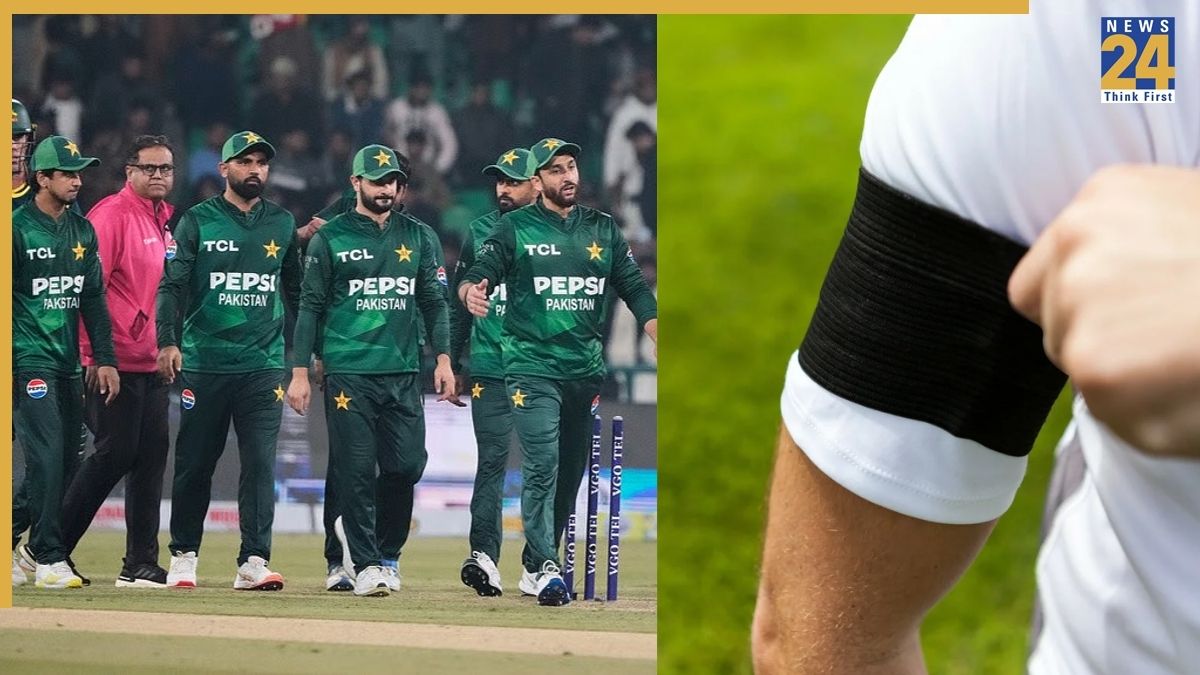
The Pakistan cricket team has landed in Colombo, but they haven’t exactly left the drama at the border. While the squad is officially gearing up for their February 7 opener against the Netherlands, the real conversation isn’t about power-hitting or pace, it’s about a small piece of black cloth.
With the Pakistan government formally barring the team from taking the field against India on February 15, the PCB is caught in a legal and financial vice. But even if they play the rest of the tournament, don’t expect a “business as usual” vibe. According to media and sources close to the board suggest that the players might wear black armbands throughout their World Cup campaign. Here’s why this symbolic gesture is suddenly the talk of the tournament.
Solidarity or Theatre?
The primary reason for the black armbands is a show of solidarity with Bangladesh. After the BCB’s request to move their matches out of India was rejected by the ICC, and they were subsequently replaced by Scotland, the PCB took it personally.
By wearing the armbands, Pakistan aims to register a formal protest against what PCB Chairman Mohsin Naqvi has called the ICC’s “double standards.” It’s a way for the team to say, “We’re here because we have to be, but we aren’t happy about how the game is being run.”
A Strategy to Avoid the ‘Ban-Hammer’
There’s also a savvy tactical layer to this. If Pakistan boycotts the India game, they face catastrophic sanctions, potentially a total ban from ICC events and a freeze on their $34.5 million annual revenue share.
Former players like Basit Ali have publicly urged the board to use the armbands as an alternative to a total boycott. The logic? Wear the bands, play the games, and keep your seat at the table while still making your political point. It’s a “middle path” designed to satisfy the government’s demand for a strong stance without bankrupting the national board.
The ‘Gentleman’s Game’ Gets Political
Cricket has a long history of the black armband being used for more than just mourning. From Andy Flower and Henry Olonga’s famous “death of democracy” protest in 2003 to more recent gestures, the armband is the athlete’s most potent tool for silent dissent.
In a tournament already marred by the ‘handshake controversy’ from the Asia Cup and the ongoing India-Pakistan travel standoff, these black bands represent the widening rift in the sport’s governance. For the fans, it’s a reminder that even when the players are on the pitch, the biggest battle is often happening off it.
Why Pakistan boycotting game against India?
It’s a protest against the ICC’s governance, but the layers behind it are pure political chess. Here’s the breakdown of why the Pakistan government pulled the plug on the tournament’s biggest game:
The ‘Bangladesh Factor
This is the immediate trigger. Earlier this year, Bangladesh refused to travel to India for their World Cup fixtures, citing safety concerns. Instead of moving those matches to a neutral venue (like Sri Lanka), the ICC stuck to its guns and eventually replaced Bangladesh with Scotland.
PCB Chairman Mohsin Naqvi slammed this as a “double standard,” arguing that the ICC routinely accommodates India’s refusal to travel to Pakistan (via the hybrid model) but didn’t show the same flexibility for Bangladesh. The boycott is essentially Pakistan’s way of saying: “If you can’t protect the interests of all members, we won’t play your marquee game.”
The ‘Hybrid Model’ Hangover
Relations have been frosty ever since India refused to travel to Pakistan for the 2025 Champions Trophy, forcing a hybrid model where India’s games were played in the UAE. Pakistan feels they’ve been making all the compromises lately, and this boycott is a symbolic “line in the sand” to show they won’t be pushed around by the BCCI-ICC axis.
Political ‘Grandstanding’
Since the match is being held in Colombo, a neutral venue Pakistan can’t claim ‘security concerns’ like they might if it were in India. This makes it a purely political move. By participating in the rest of the World Cup but skipping India, the government is making a loud, symbolic protest without (theoretically) fully abandoning the global stage.