
Long Wait Ends As EV Giant Opens First Experience Centre In Mumbai News24 –
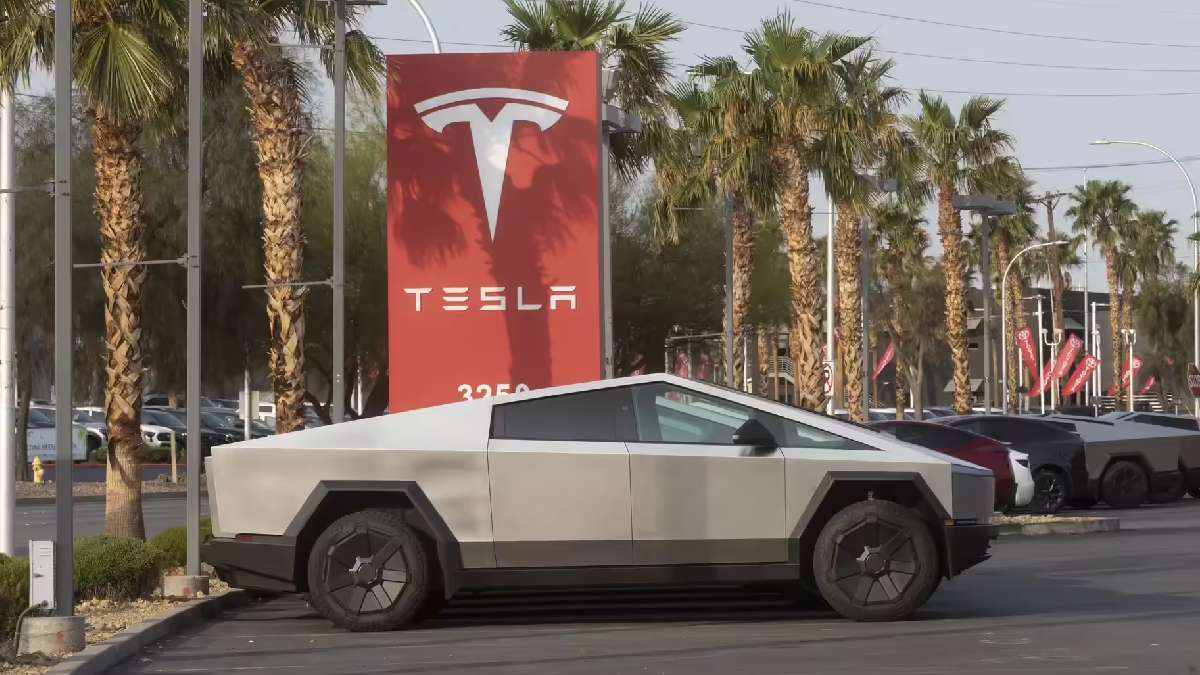
After years of deliberation, Tesla has finally marked its entry into the Indian automotive market with the inauguration of its first Experience Centre in Mumbai on Tuesday. The move marks a significant milestone in the American EV manufacturer’s foray into a new market. The 4,000 sq ft retail space, leased by the brand in March, is located close to the Apple flagship store. The launch of the new Experience Centre is part of a broader strategic push toward expansion in India.
#WATCH | Tesla is all set to mark its official entry into the Indian market with the launch of its first showroom in Mumbai today
The electric vehicle (EV) giant is opening its India showroom at the Maker Maxity Mall in the city’s Bandra Kurla Complex (BKC) pic.twitter.com/6p0EmgrsHS
— ANI (@ANI) July 15, 2025
In recent months, Tesla has secured multiple commercial properties, including a facility in Kurla West, Mumbai, which is expected to serve as a vehicle service centre. Tesla’s footprint now extends to four key locations: an engineering hub in Pune, a registered office in Bengaluru, and an office near the Bandra-Kurla Complex.
Tesla has recently undergone a leadership change. Tesla India head Prashanth Menon stepped down last month after nearly a decade with the company. Until a new leader is appointed, Tesla’s China-based team is overseeing Indian operations. While the company continues to explore its presence in India, its manufacturing plans remain uncertain. For now, Tesla intends only to open showrooms and sell imported vehicles manufactured abroad.
#WATCH | Mumbai | Maharashtra Transport Minister Pratap Sarnaik arrives at the Tesla showroom ahead of its inauguration today pic.twitter.com/svSsdDDiyi
— ANI (@ANI) July 15, 2025
#WATCH | Mumbai | Maharashtra CM Devendra Fadnavis arrives at the soon-to-be inaugurated first Tesla showroom in India, at Bandra Kurla Complex pic.twitter.com/ia8T8HLga0
— ANI (@ANI) July 15, 2025
Upon the inauguration of the new Tesla experience centre, Maharashtra’s Transport Minister Pratap Sarnaik and CM Devendra Fadnavis visited the venue. The Architect of the new showroom, Neeta Sharada, spoke to ANI on the occasion and said, “I have been fortunate enough to be part of Tesla’s journey in India, with the first one in Mumbai. The showroom has a minimalist look. The showroom features a white background with lightboxes displaying Tesla images and some Indian images. We executed the job in 45 days.”
Tesla’s Plan Ahead
The Experience Centre’s opening signals a renewed push into the Indian EV market, potentially setting the stage for further developments, despite ongoing regulatory and policy considerations around imports and localisation requirements.