
One of the Coldest Days Amid Dense Fog
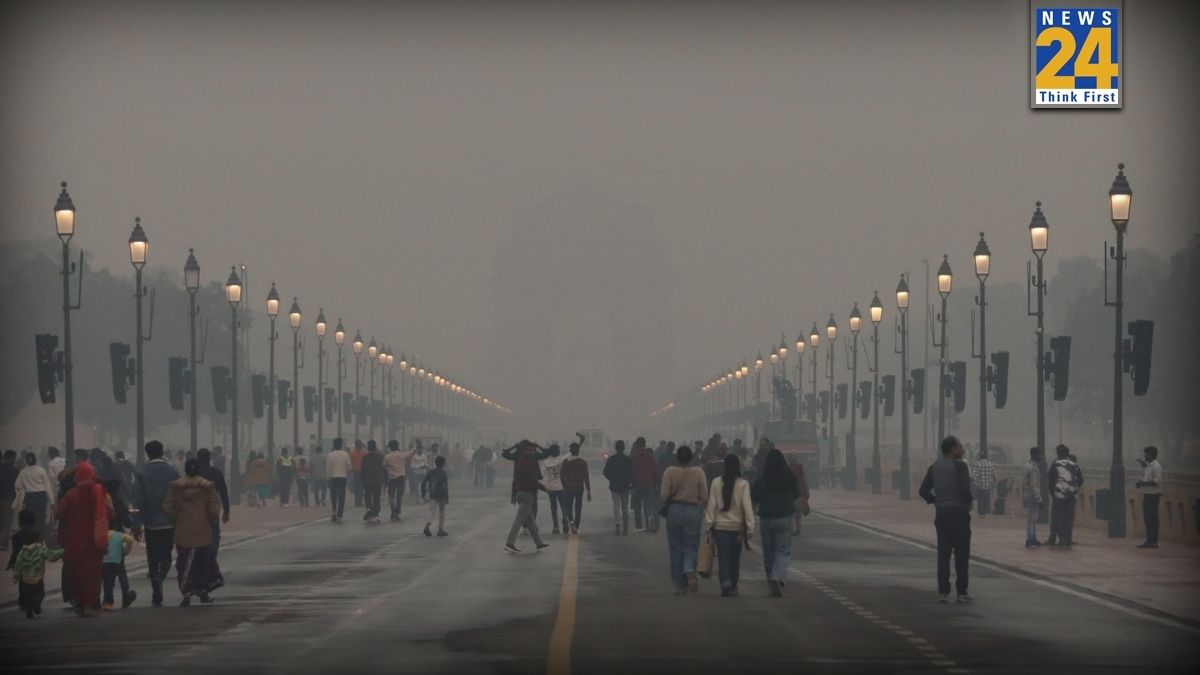
Delhi woke up to another freezing winter morning on January 15, as cold and thick fog tightened their grip on the capital. The minimum temperature plunged to around 4 degrees Celsius, making it one of the coldest days of the season so far. As if the cold wasn’t enough, dense fog in the early hours reduced visibility, dropping it to below 50 metres in several parts of the city.
Dense Fog Brings City to a Crawl
The heavy fog created widespread disruption across Delhi. Poor visibility slowed road traffic and caused delays to train and flight operations, leaving commuters struggling through the morning rush. In response, the India Meteorological Department (IMD) issued a yellow alert for cold weather, along with a warning of moderate to very dense fog in parts of the capital over the next two hours.
Adding to the concern, the IMD noted that temperatures dipped as low as 2 degrees Celsius on Makar Sankranti morning, underscoring the severity of the ongoing cold spell.
According to the IMD, cold wave conditions may continue in some areas of Delhi until January 16. Cloudy skies are expected to dominate the day, limiting sunlight and keeping daytime warmth at bay.
Cold winds, blowing at speeds of up to 19 kilometres per hour, are likely to make conditions feel even harsher. Despite this, the maximum temperature is expected to hover around 21 degrees Celsius, offering only mild daytime relief.
Air Quality Slips Into the ‘Severe’ Zone
While residents battle the cold and fog, another serious threat looms, toxic air. Delhi’s Air Quality Index (AQI) has surged to 482, placing it firmly in the “severe” category. Such levels pose a significant health risk, particularly to vulnerable groups.
Doctors are urging elderly citizens, children, and people with respiratory conditions to avoid outdoor activities, especially during the early morning and evening hours when pollution levels tend to spike.
When Will Delhi Get Relief From the Cold?
There is some hope on the horizon. The IMD forecasts a gradual rise in temperatures from January 17 and 18, with maximum temperatures expected to climb by 3 to 5 degrees Celsius, bringing noticeable daytime relief.
However, the respite may be short-lived. Light rain or drizzle is likely between January 18 and 19, which could once again intensify the morning chill.
More Weather Twists Ahead
Looking further ahead, the Meteorological Department predicts that between January 16 and 20, daytime temperatures could reach 25 degrees Celsius, while minimum temperatures may settle around 10 degrees. But another shift is expected soon after.
Between January 20 and 25, a western disturbance is likely to affect the region, bringing rain and possible hailstorms. If this happens, temperatures could dip again, and the cold may return with renewed intensity.