
GRAP-3 removed in Delhi-NCR: Check what’s allowed and what’s still not allowed
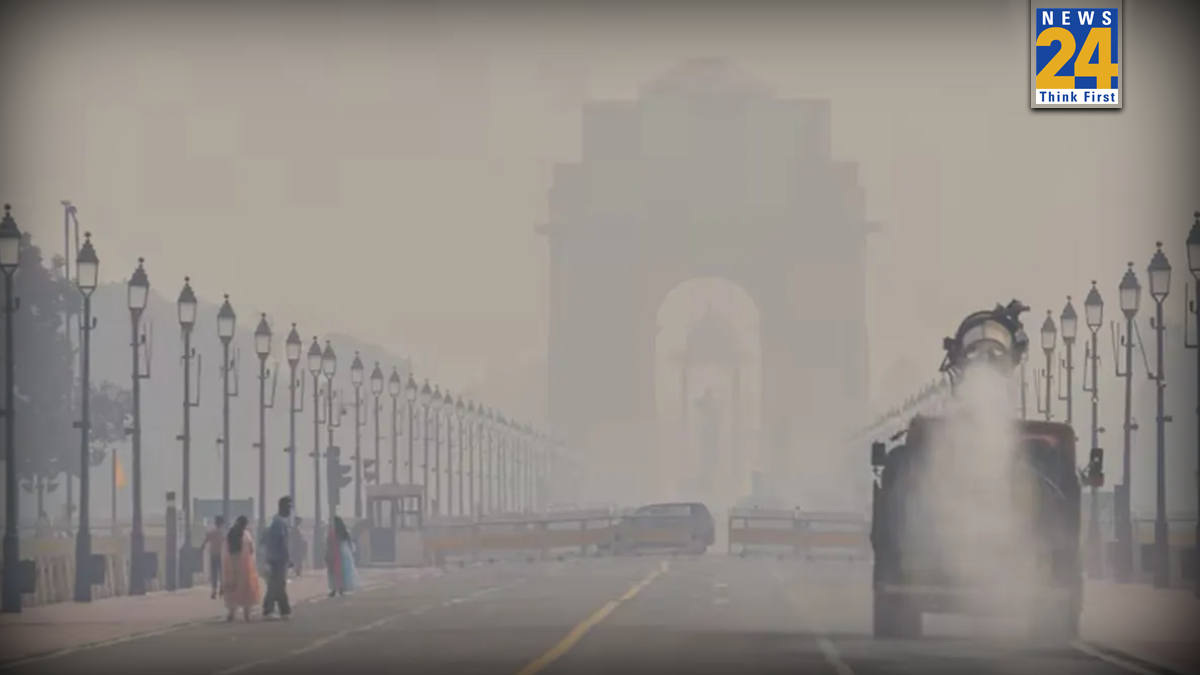
After days of severe pollution and emergency curbs, authorities have lifted Stage-3 of the Graded Response Action Plan (GRAP-3) in Delhi-NCR following a noticeable improvement in air quality. The decision was taken on January 22, 2026, after pollution levels dropped from the “severe” category to the “very poor” range across several monitoring stations.
The Commission for Air Quality Management (CAQM) said the improvement was due to favorable weather conditions, including better wind speed and dispersion of pollutants. While the move brings partial relief to residents and businesses, officials have made it clear that Stage-4 restrictions remain in place and authorities are continuing to monitor the situation closely.
The lifting of GRAP-3 offers limited relaxation, especially for construction, transport, and industrial activity, but officials warned that restrictions could return quickly if pollution levels rise again.
These steps aim to immediately reduce dust, vehicular emissions, and industrial pollution.
What’s Allowed after GRAP-3 is Revoked
When pollution levels improve and GRAP-3 or GRAP-4 is lifted, activities are gradually restored:
- Construction and demolition work can resume.
- Mining operations are allowed again.
- Restrictions on BS-3 petrol and BS-4 diesel vehicles are lifted.
- Normal movement of goods vehicles resumes in phases.
What’s Still Not Allowed After GRAP-3 Is Lifted?
Even though the emergency stage is lifted, some restrictions continue to protect air quality:
• Heavy construction & demolition (C&D) dust control remains mandatory – water sprinkling, covering of materials, and minimizing earthwork are required.
• Open burning of waste or biomass is strictly prohibited, as it can quickly deteriorate air quality.
• Industrial operations violating pollution norms remain under strict monitoring; non-compliant units can face penalties.
• Vehicle emission standards still apply – all vehicles must have a valid Pollution Under Control (PUC) certificate and meet emission norms.
• Hot-mix plants, brick kilns, and other dust-prone industries must continue preventive measures.
• Public advisories for sensitive groups – children, elderly, and people with respiratory issues – remain in effect.
The GRAP system is highly dynamic. While restrictions were eased earlier in January 2026, deteriorating air quality forced authorities to re-impose GRAP-3 and GRAP-4 within days. Residents are advised to closely follow CAQM notifications, as rules may change quickly depending on pollution levels.
As winter conditions continue, officials warn that restrictions may stay in place longer unless air quality shows sustained improvement.