
Why Marker pens replace Indelible Ink
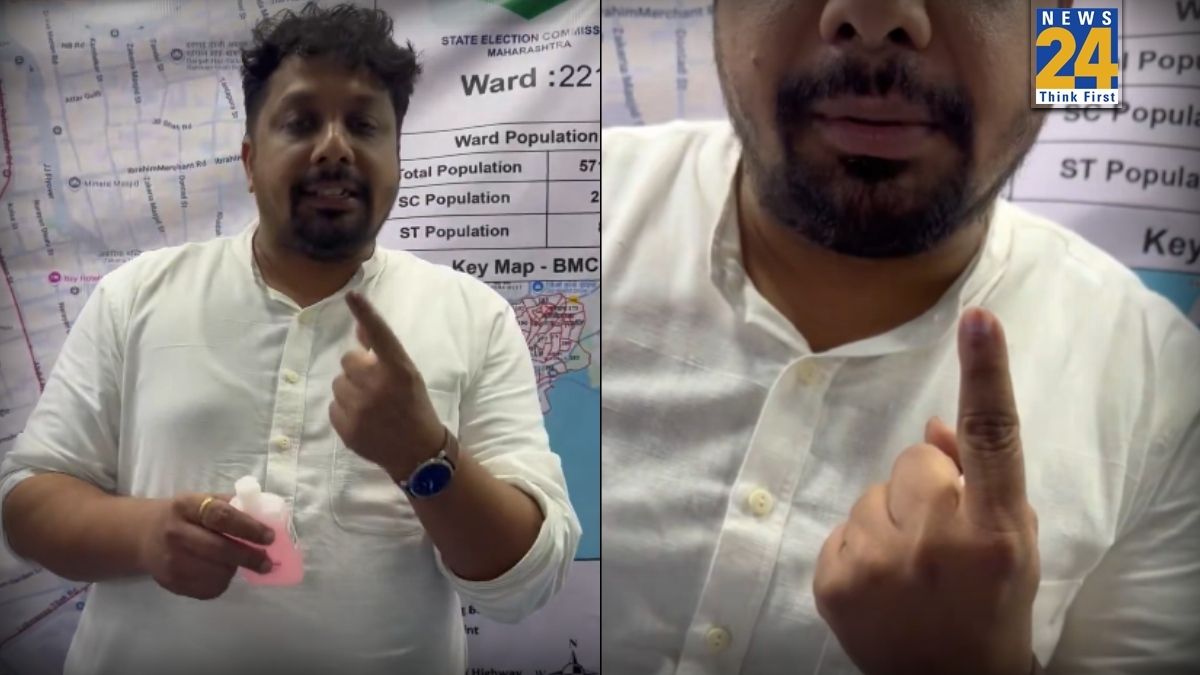
Mumbai’s high-profile Brihanmumbai Municipal Corporation (BMC) elections are underway, with polling beginning at 7:30 am across all 227 wards and set to continue until 5:30 pm. Long queues and steady turnout marked the early hours, reflecting the significance of the civic body that governs India’s financial capital.
However, even as voting progressed, a controversy emerged that has begun to dominate conversations both at polling booths and online.
Ink-marks being made on Voter’s fingers by using ‘marker pens’ instead of Govt manufactured indelible ink, is easily wearing off by the simple use of ‘Nail Polish Remover’ as I demonstrate, in this video.
Totally Unacceptable. Elections are being reduced to a farce.… pic.twitter.com/io5nEfUMHx
— Ruben Mascarenhas (@rubenmasc) January 15, 2026
Marker Pens Replace Indelible Ink, Raise Concerns
Voters across Mumbai reported that marker pens, used this time instead of the traditional indelible ink, left marks that could be easily wiped off with water or light rubbing. Similar complaints were coming from Pune’s PMC elections taking place on the same day. The issue has sparked concern over the possibility of double voting, particularly in light of over 11 lakh duplicate entries identified in the draft voter lists.
Marker pens, typically filled with water- or alcohol-based dyes, have previously been trialled during elections in Aurangabad (2015) and Nagpur (2012). Election officials argue that they allow faster, cleaner application in crowded polling stations, helping reduce delays during peak voting hours.
Why Marker Ink Fades So Easily
Unlike India’s long-standing election ink, which contains silver nitrate, marker ink relies on surface-level dyes designed mainly for paper or smooth surfaces. These dyes do not chemically bind with the skin. As a result, water, soap, or simple friction can cause the mark to fade quickly, an issue widely shared in videos from polling stations.
In Mumbai’s multi-member wards, where voters can cast up to four votes using EVMs, critics say the lack of a lasting mark amplifies existing risks, especially amid concerns over duplicate voter names and Model Code of Conduct violations.
Legacy Ink vs Temporary Marks
Since 1962, India’s indelible ink, supplied by Mysore Paints, has been a cornerstone of election integrity. Made with silver nitrate, it reacts with skin proteins and remains visible for over two weeks. While temporary alternatives have been used during shortages in the past, the absence of prior communication about this switch fuels foul play allegations.
Election Commission Rejects Rigging Claims
The State Election Commission has dismissed claims of rigging, stating that EVMs and voter photo identification are being strictly monitored.